ONCE UPON, THE CIRCUS
Cliché, old fashioned, fun, extravagant and silly, the circus sends me back to sentimental memories of childhood, it still awakens an unstoppable fascination. Possibly everyone on the planet feels this.
My first encounter with a circus was in the warm autumn afternoons of my childhood home, playing with my sister and brother. We created a circus tent out of bed sheets hanging from chairs by knots. Toothpaste lids represented the seated public, my brother’s old plastic truck was carrying the wild animals. We were professionals in finding tiny little minuscule things that could mimic the circus scene. Just once we went to a circus show and my siblings and I were completely taken by its magic. Then one bad day my brother died and I started visiting circuses to keep playing with him.
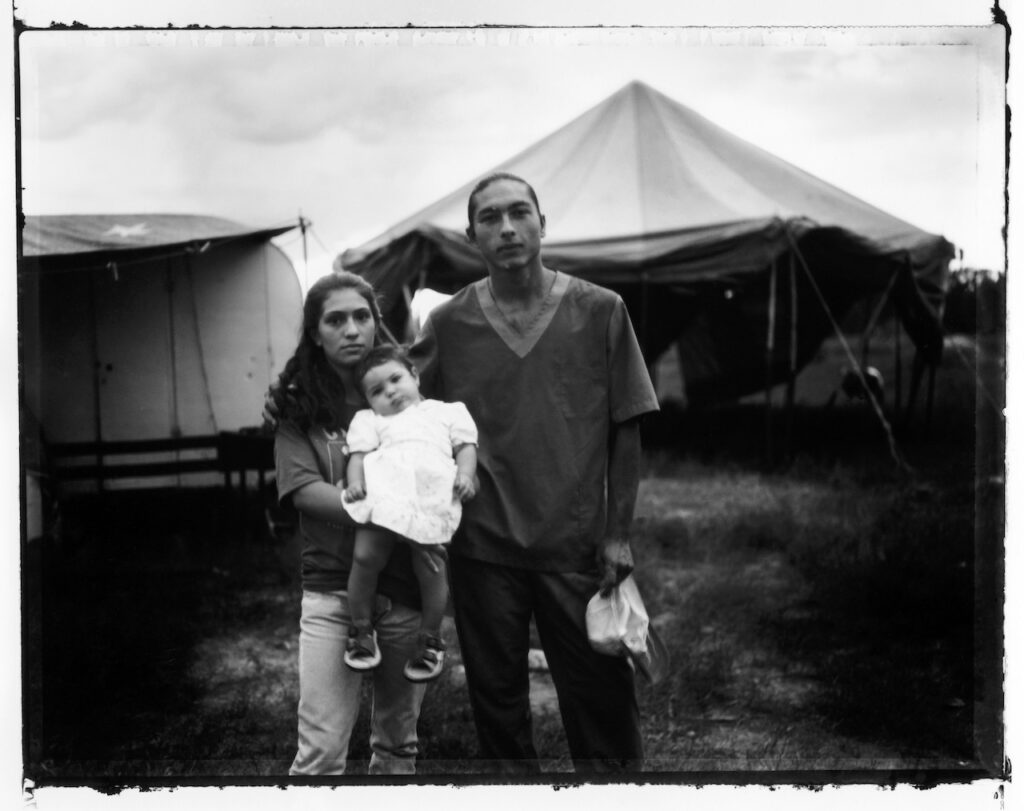
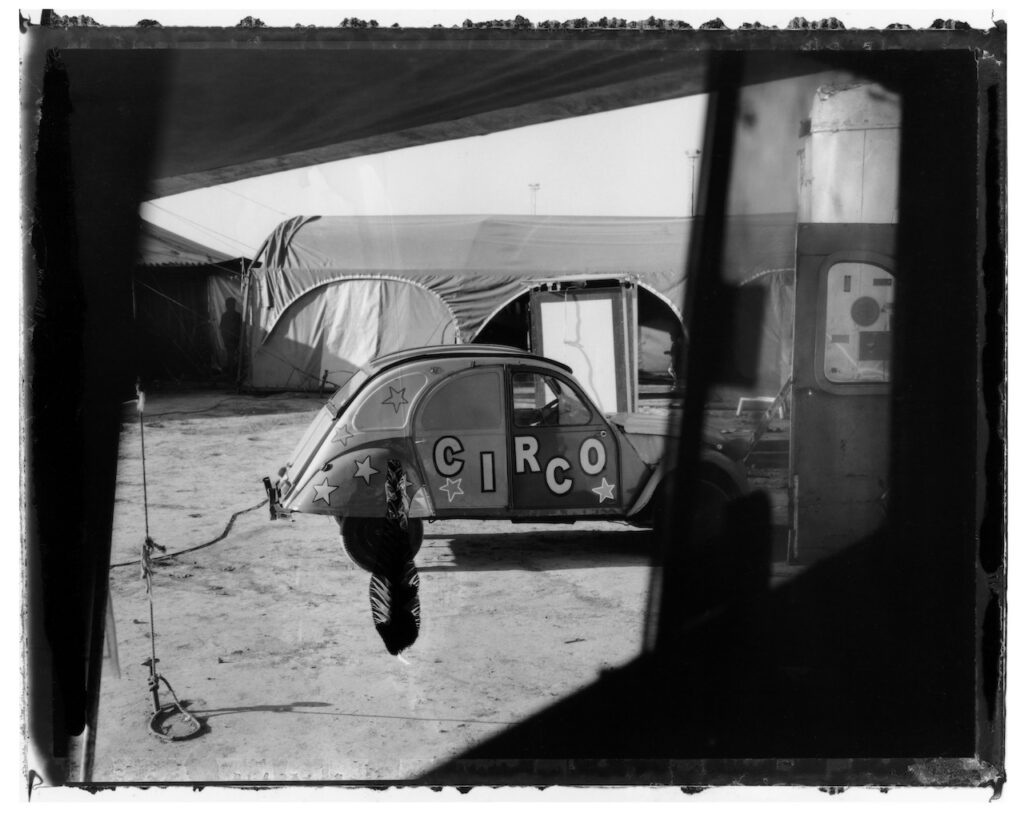
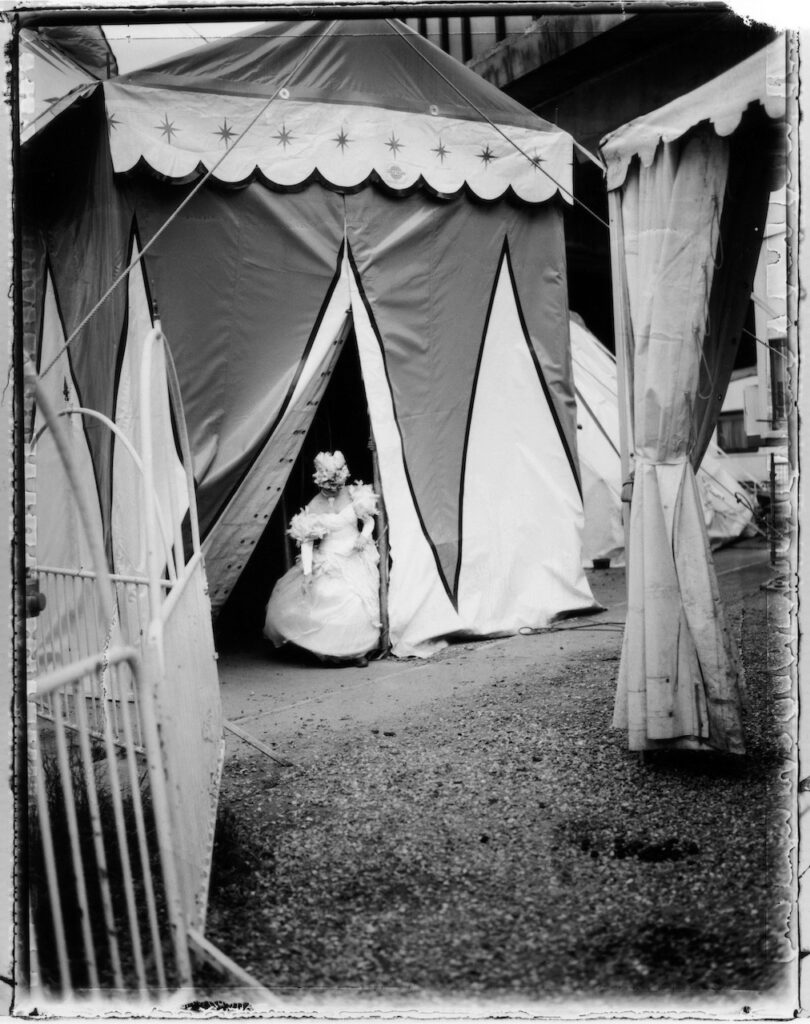
I started tracking the canvas tents and stopping wherever I found one. The first one I spent plenty of tie at was in the outskirts of Buenos Aires, strangely called Paris Circus. From then on I visited small family run circuses in my country, a melancholic gypsy circus in Paris, another in the middle of Santiago de Chile and a few more along the road. Chasing circuses was one of my first photographic engagements and pleasures.
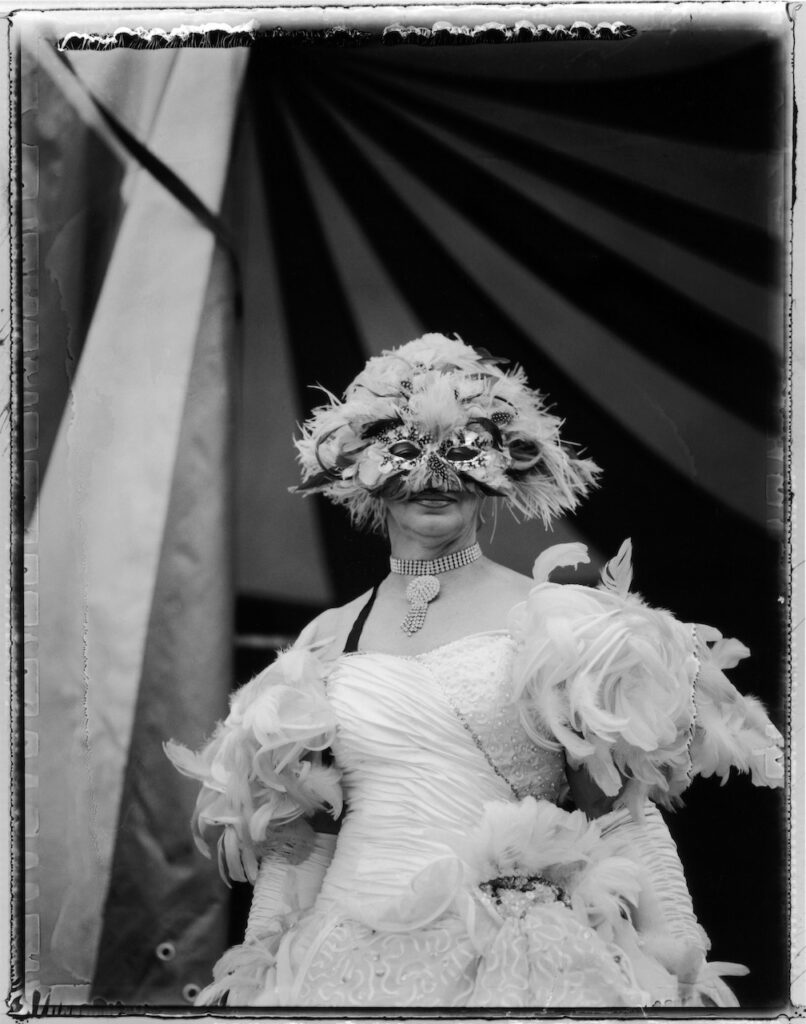
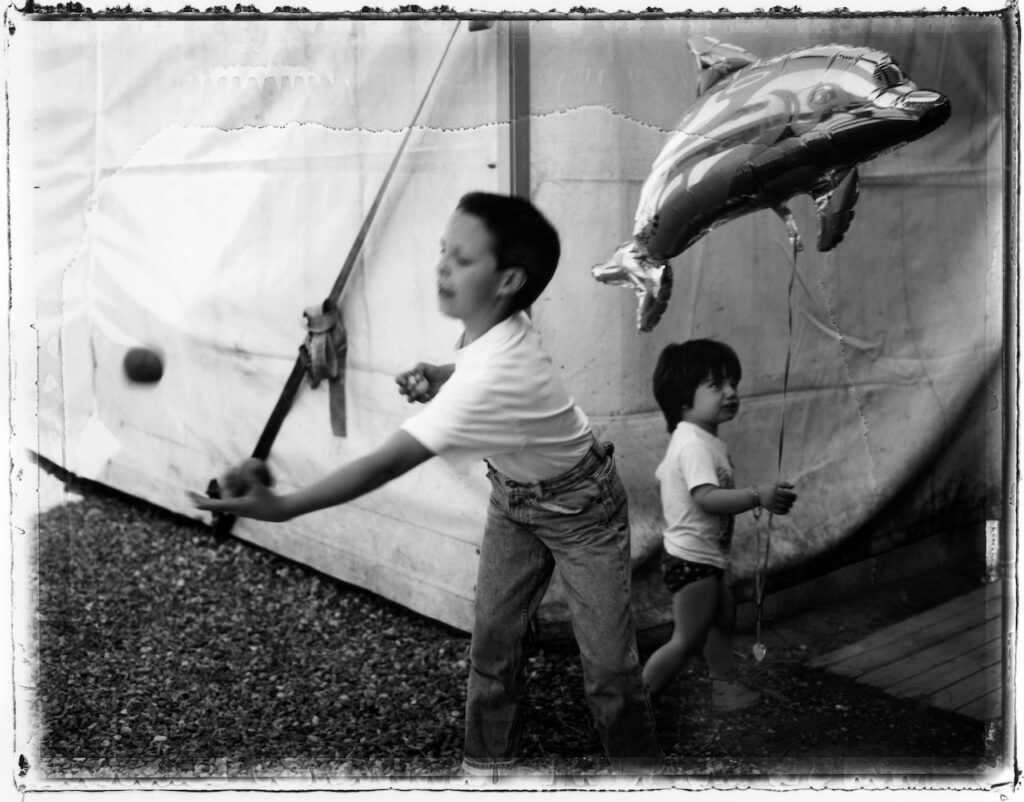
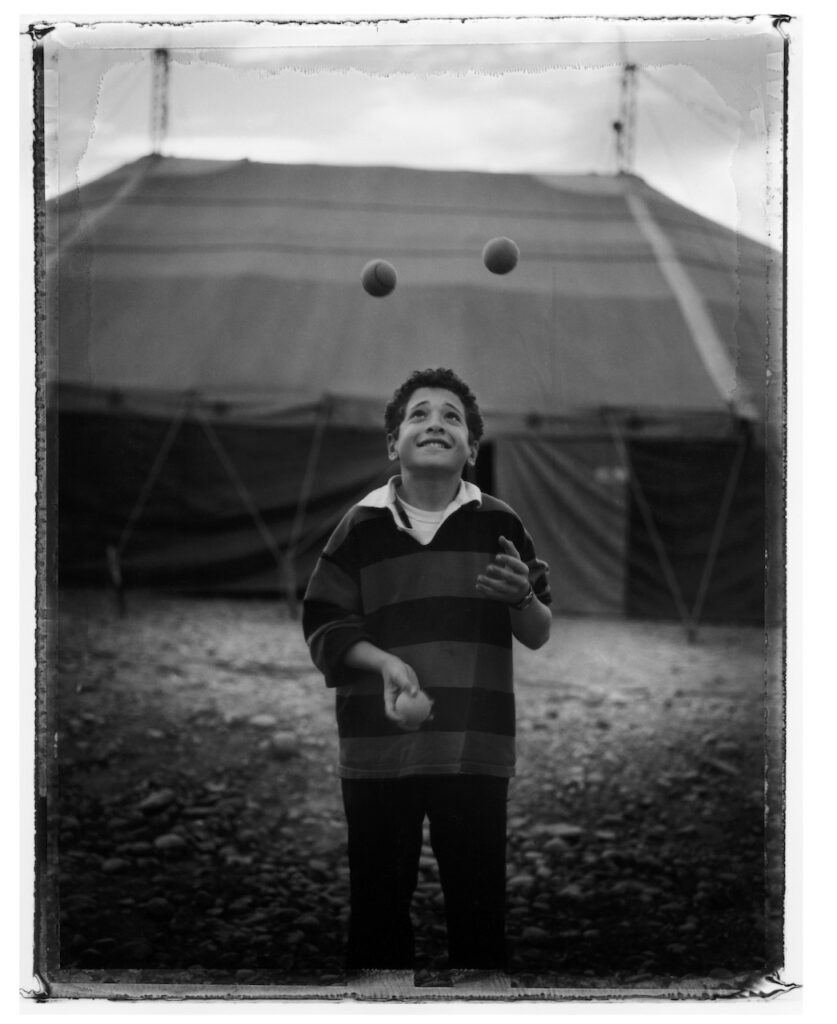
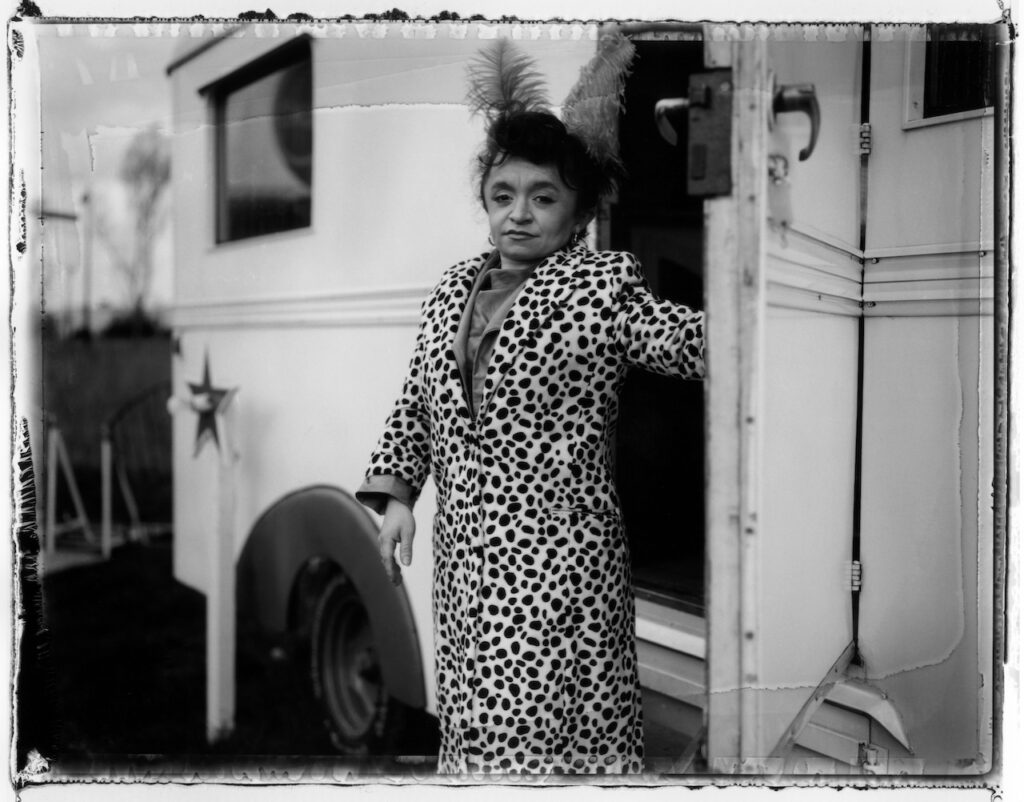
From being a childhood memory soon the topic became a strong focus. I was charmed by their nomadic and detached way of living, the hard physical work some performers were invested in, the kids working alongside their parents and sometimes grandparents, the tender worn out outfits of the poor circuses, the proudness of some artists for being second, third or fourth circus generation, the creative hideout of weirdos and dreamers. Charmed by the mythical, romantic and resilient idea of circus life. Of course there are many more realistic and controversial layers.
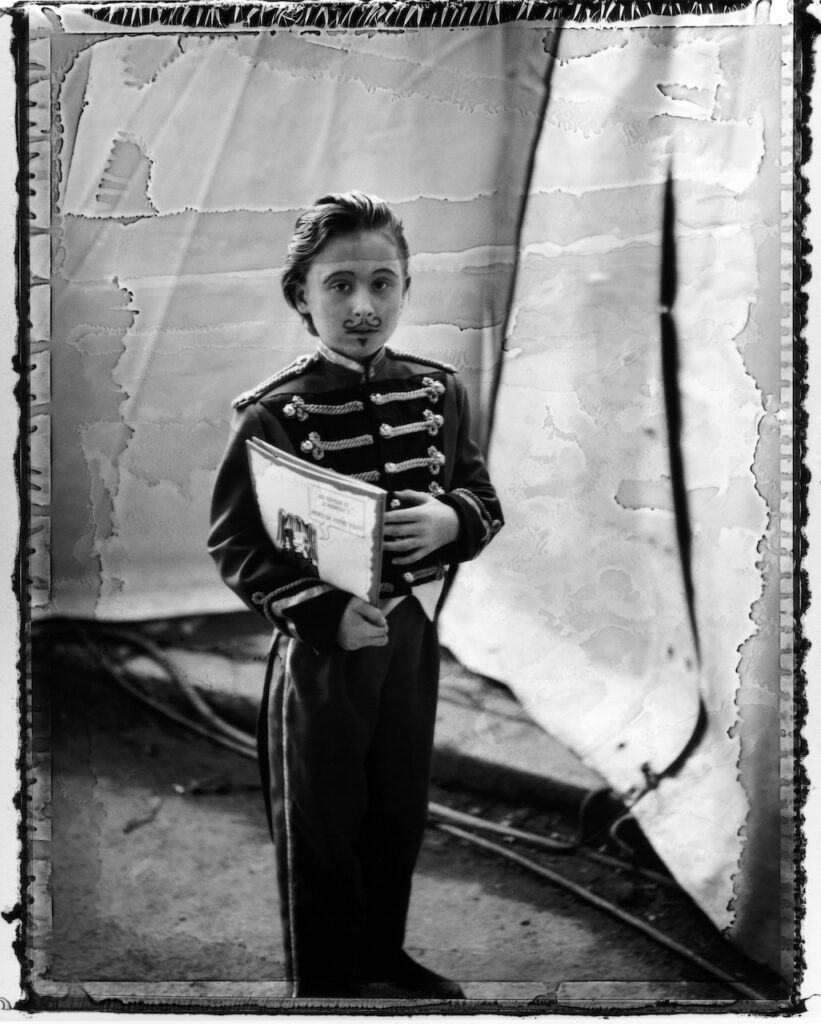
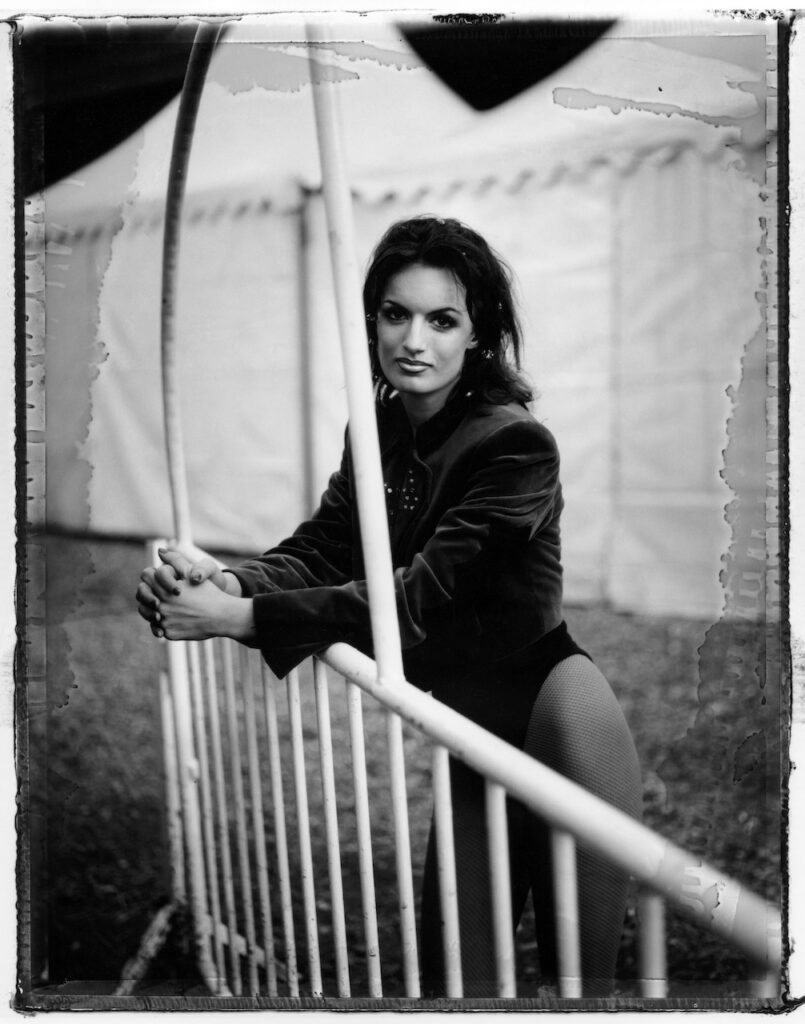
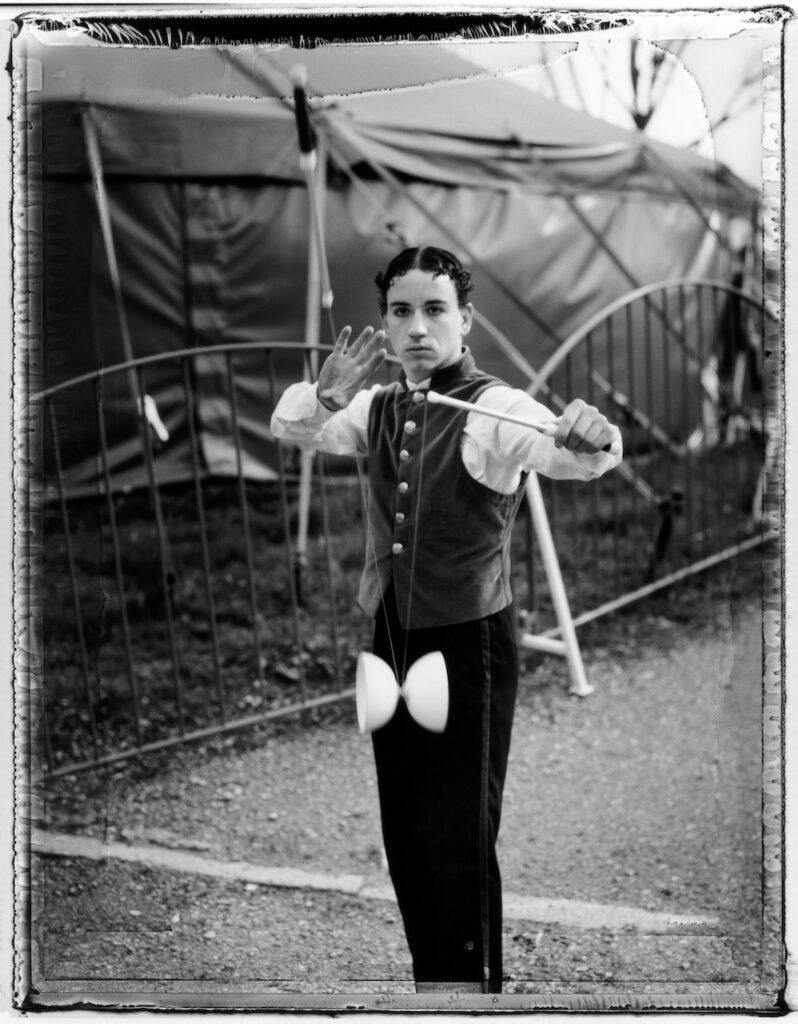
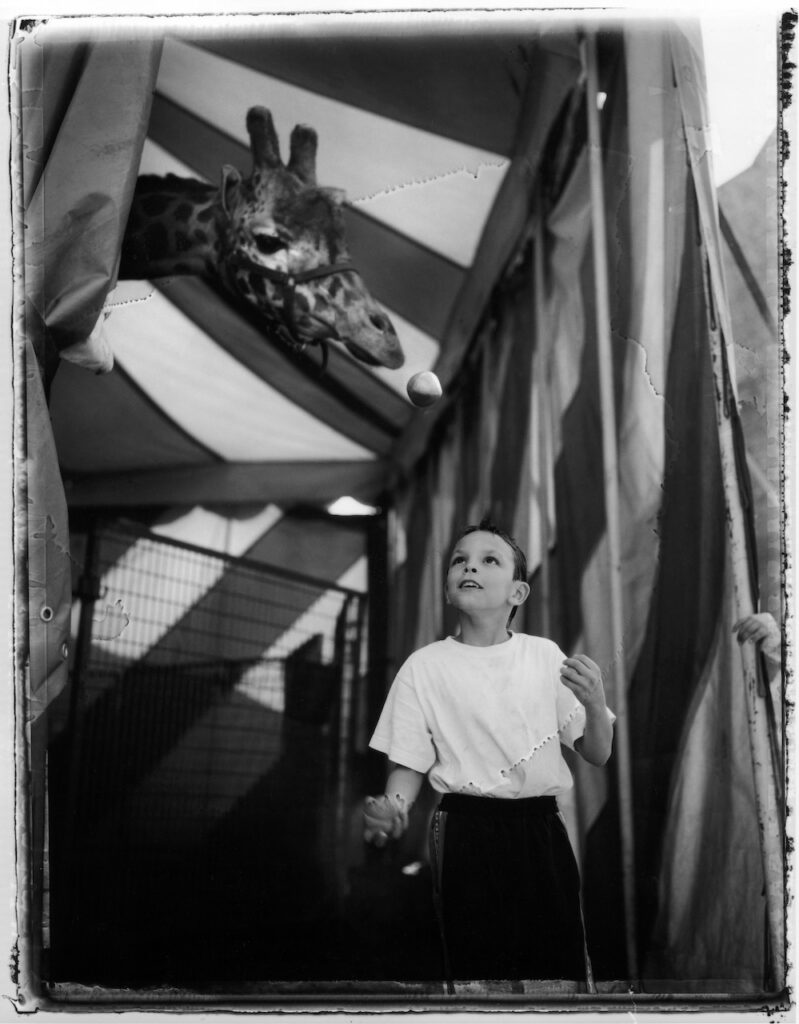
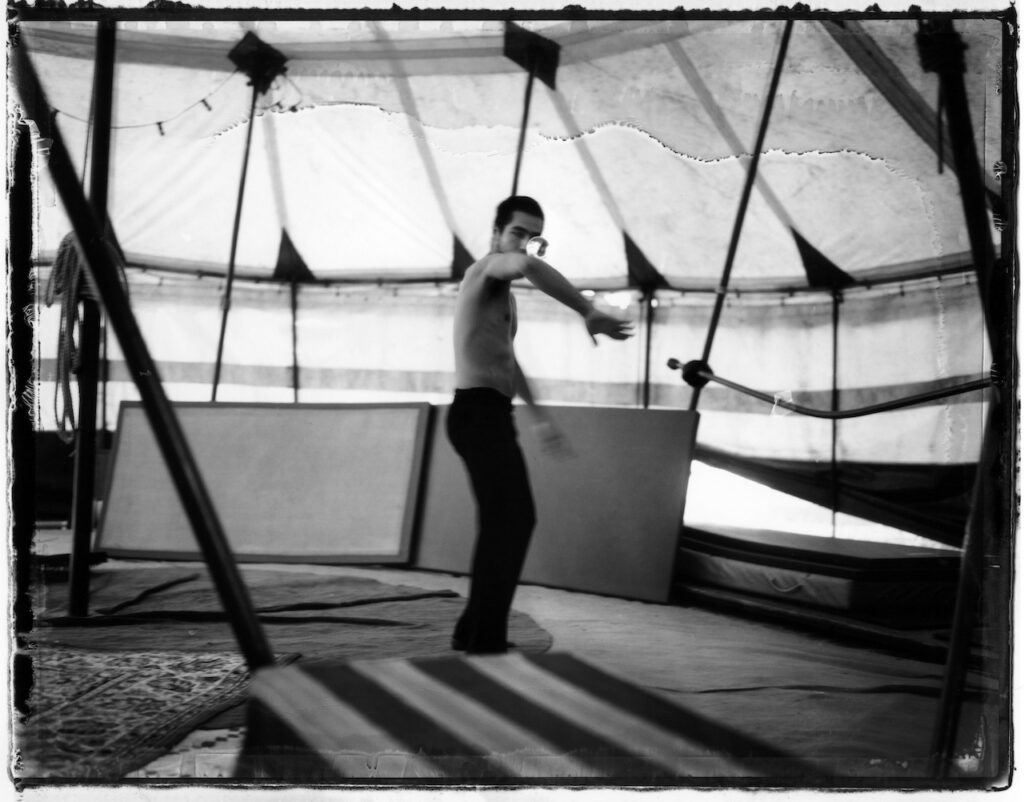
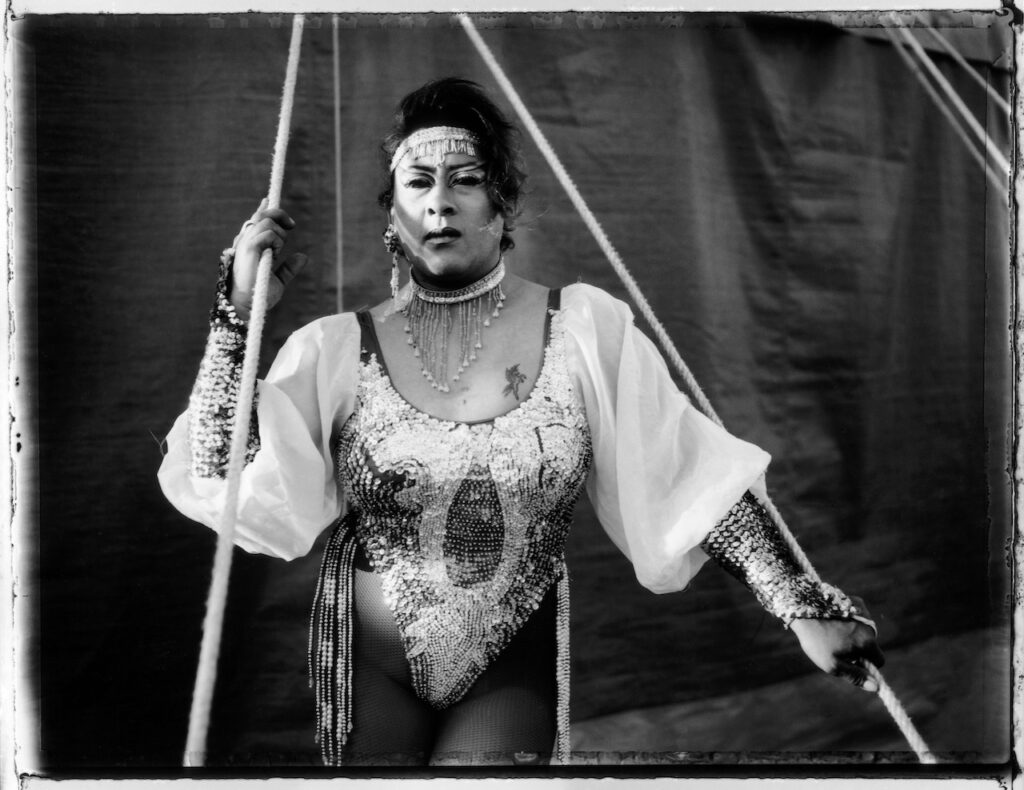
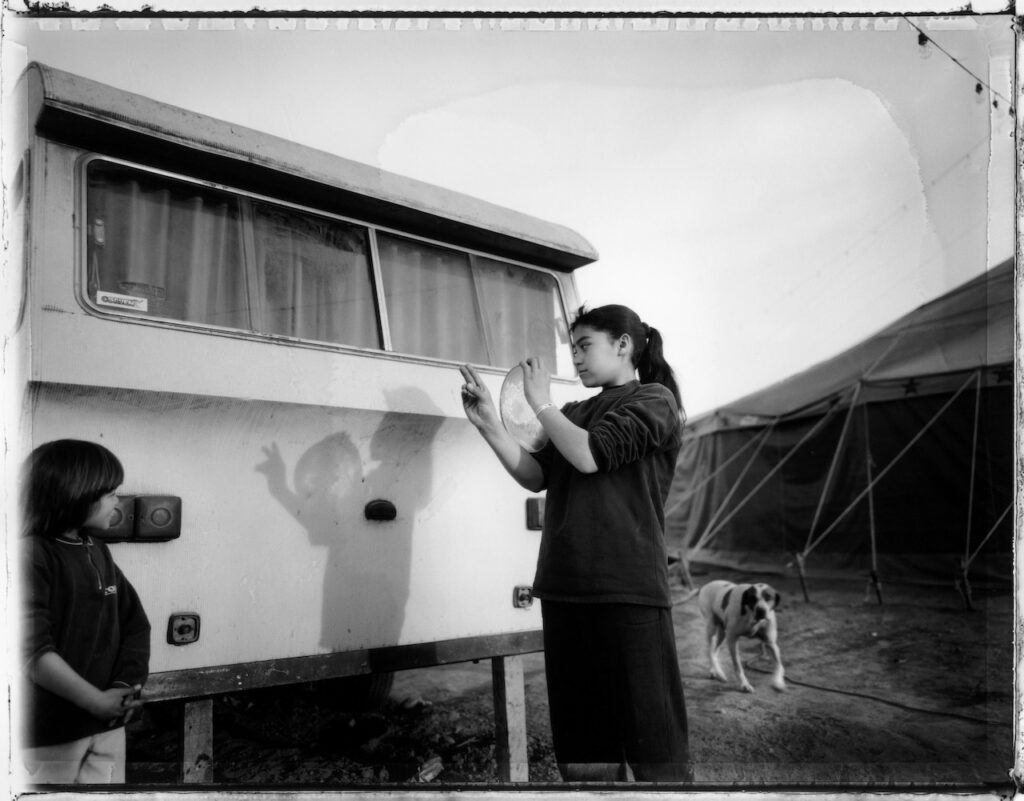
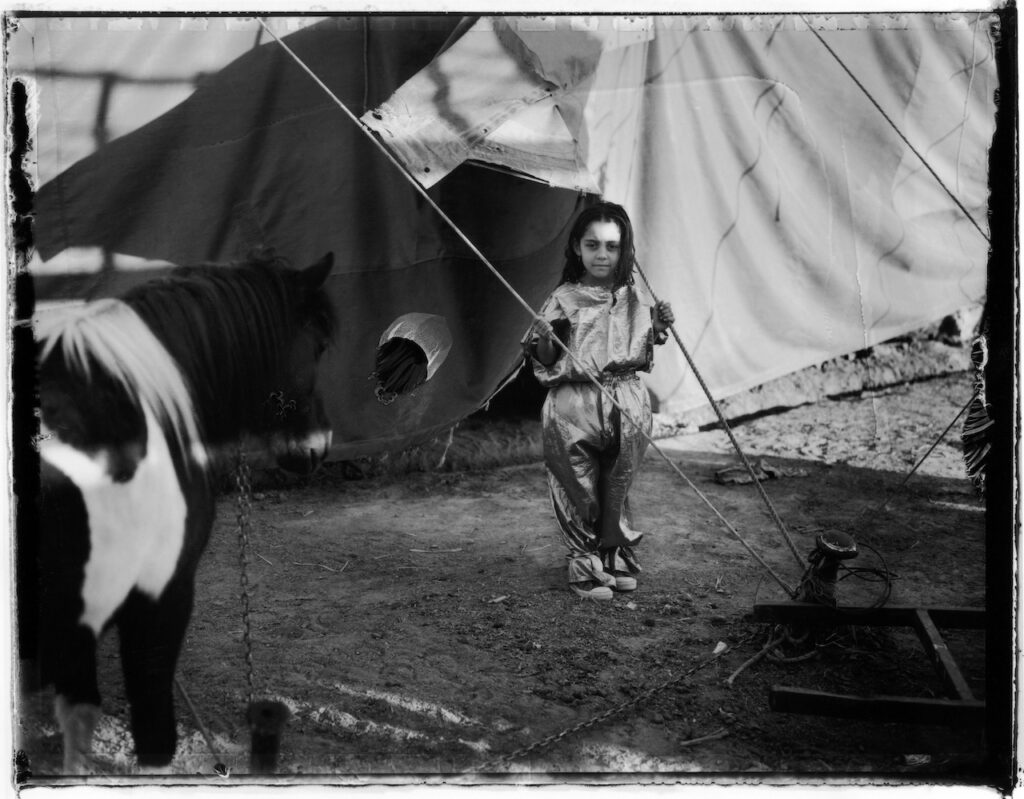
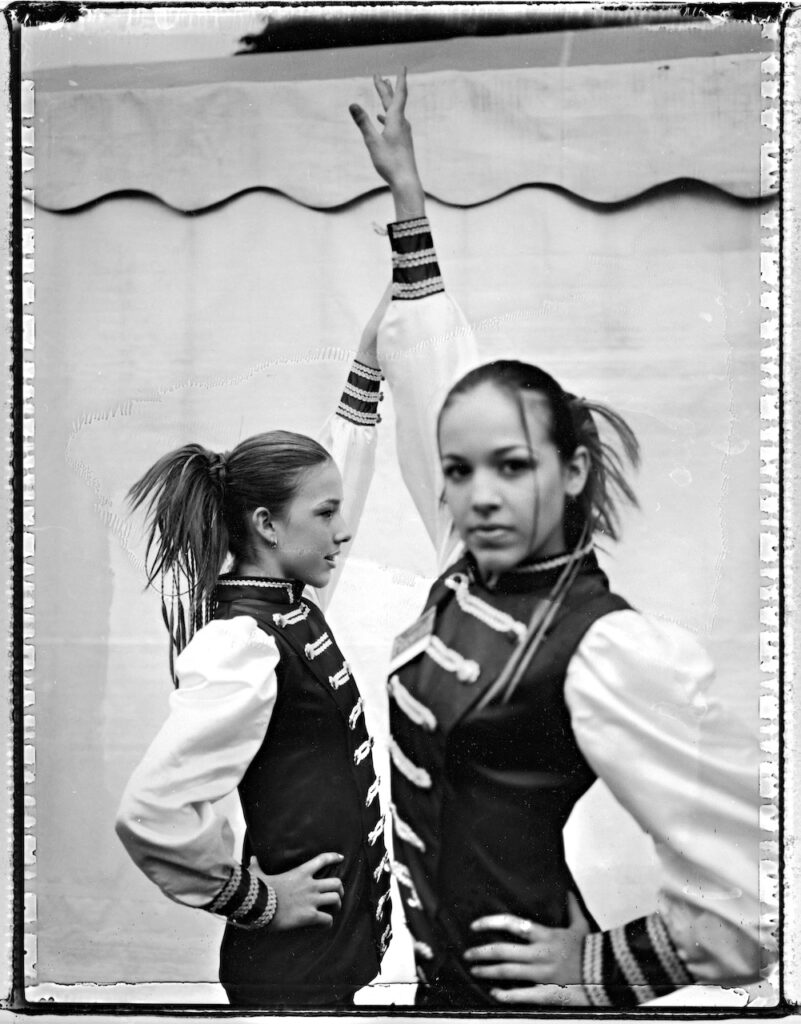
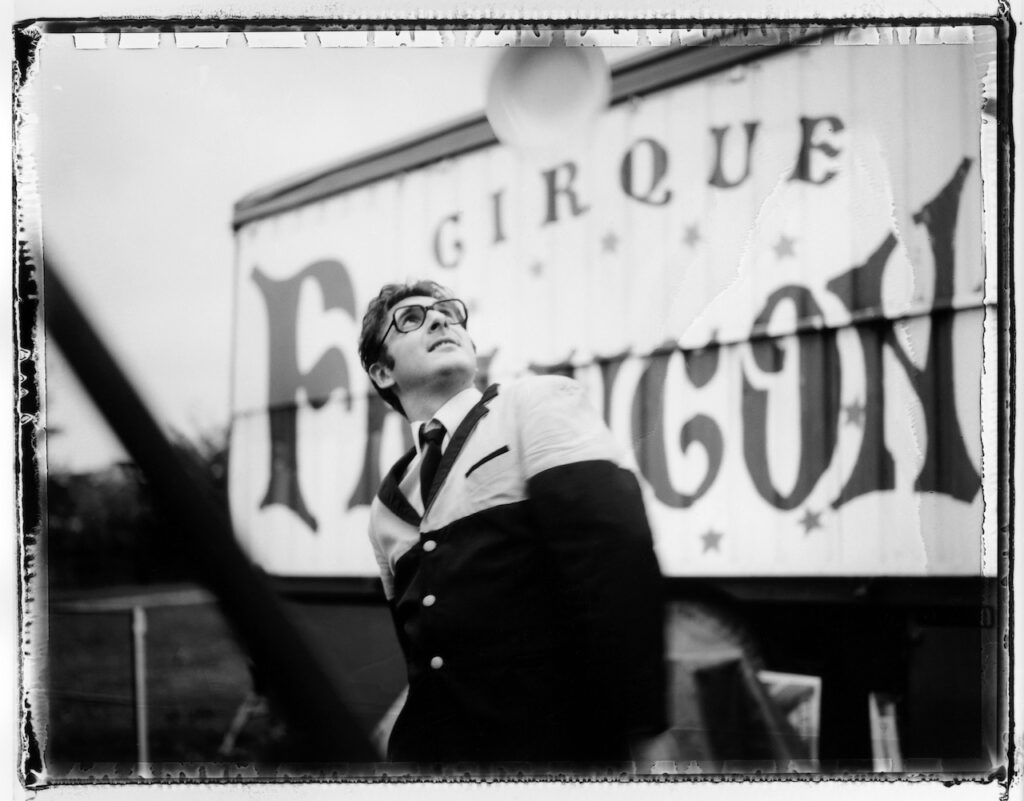
The circus companies I got to visit and spend time with were small, flexible and practical. The handsome acrobat by wearing a different outfit was later the ridiculous clown, the incredible lady contortionist was as well in charge of placing the public on their right seats and selling popcorn, the magician operated as the main electrician. The kids on the backstage were giggling kids and all of the sudden, serious performers.
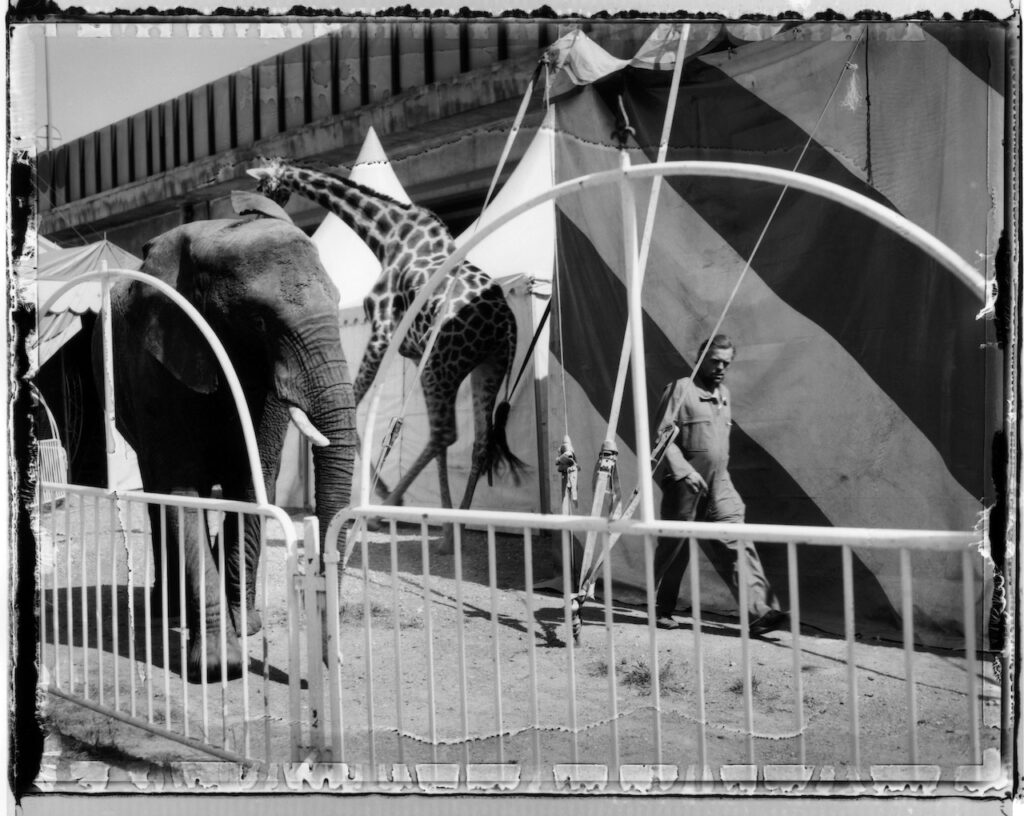
My photographs were taken on the backstage or in between shows. I did enjoy that frantic frenzy of changing disguises, moving animals along with jugglers, clowns spying through the curtain, technicians adjusting magic boxes, ladies and gentlemen fixing makeup. On one side of the curtain was the display of the heavy work and preparations, the other side, the fantasy.
I mostly photographed traditional circuses. In Argentina the circus tradition is strongly connected with the beginning of theater. While doing their touring in the countryside those companies were not only amusing the locals but also spreading news, displaying exotic animals and pleasing the public with dangerous acrobatics.
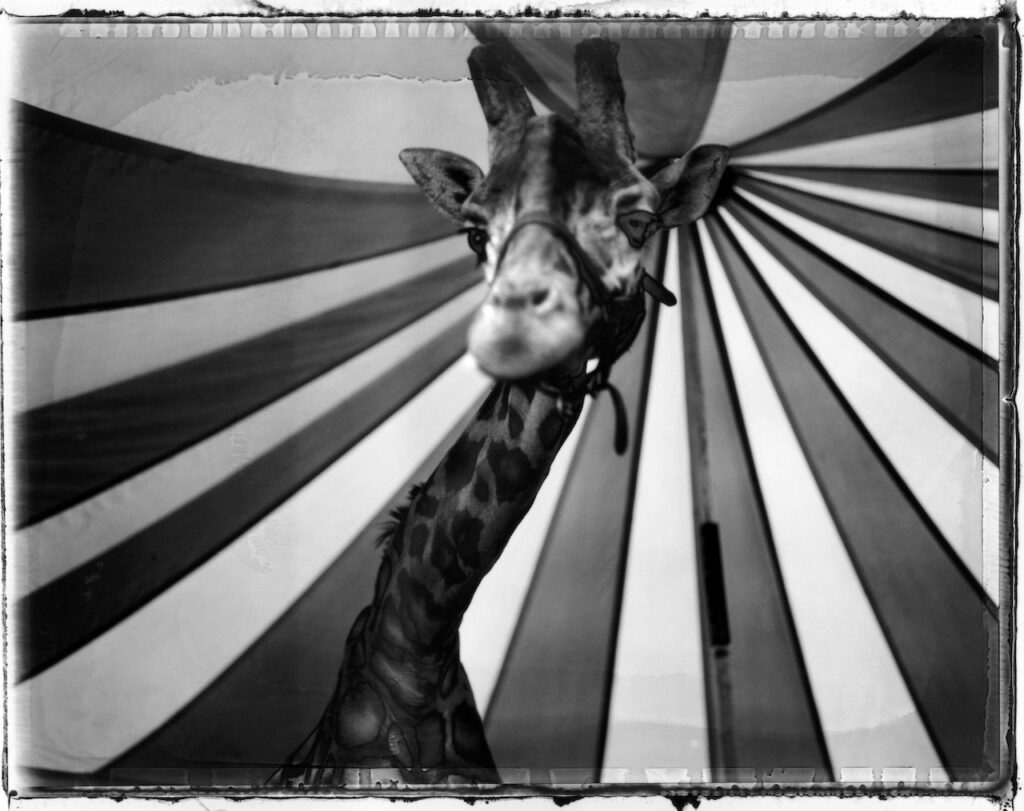
Twenty years ago, when I did these images the circus including animals on their shows were questioned and despised, it was a changing time. Many companies were updating their shows and moving away from the traditional form into a more contemporary way
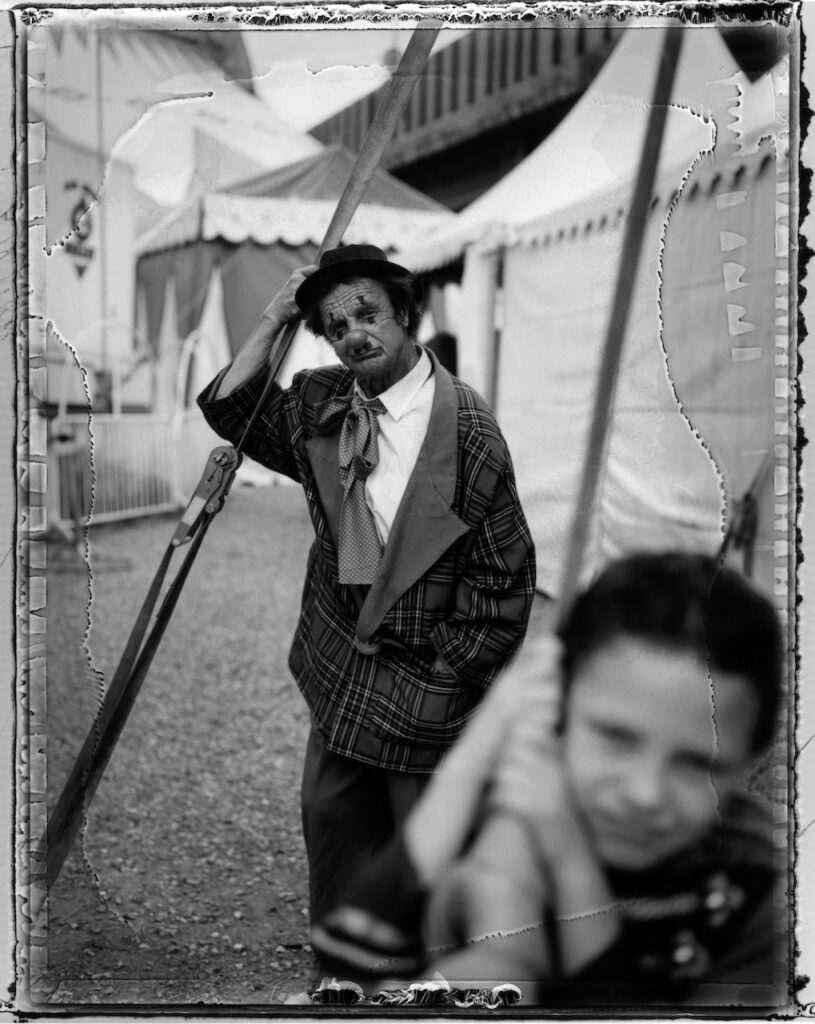
In Paris I saw the contrast of traditional and contemporary circus. At the Cirque Diana Moreno I met Titi who was a really old man performing as a clown. Most of his family worked at the circus, including his two grandkids. One of his sons, a tamer, died rehearsing after a tiger attack, but surprisingly the tigers were still in the show. It was a large family with 7 generations of circus artists. At the same location, Paris, I found another more contemporary approach, Cirque Du Grand Celeste had a very young crew, no animals, wild musicians playing along the show, and a more theatrical performance. Both circuses were beautifully engaged in keeping alive this ancient form of entertainment. CF.